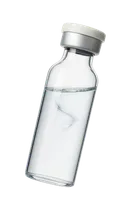
What is bacteriostatic water?
Bacteriostatic water is purified water with one addition: 0.9% benzyl alcohol. That small amount of preservative is what separates it from plain sterile water, and it is the reason a single sealed vial can be accessed more than once.
What the benzyl alcohol does
Benzyl alcohol is a bacteriostatic agent. It does not rescue water that is already contaminated. Instead it inhibits the growth of bacteria, which keeps a sealed multi-dose vial stable across repeated use. Plain sterile water carries no such protection, so it is generally intended for single use only.
Why purity matters
Because the product is, by definition, almost nothing but water, the quality of that water is the entire story. The inputs, the filtration, and the fill environment decide what ends up in the vial. We start from USP-grade water, pass it through a 0.22 micron sterile membrane, then fill and seal under filtered air in a controlled cleanroom. Every batch is checked for clarity and sterility before it is released.
Storage and handling
- Store sealed vials at room temperature, away from direct light.
- Inspect each vial before use. The water should be completely clear, with no cloudiness or particles.
- Once a vial has been opened, follow standard practice for multi-dose vials and discard it within the period indicated on the label.
- Never use a vial whose tamper-evident seal is broken on arrival.
Who uses it
Bacteriostatic water is a staple in laboratory, clinical, and compounding settings, anywhere a clean, consistent, and traceable supply is needed. If you order for a clinic or in volume, our team can set up a standing order. This article is general product information and is not medical advice.